

This article is a prelude to a larger series exploring brands that have left Instagram and why it will be the next big shift we will see in the culture of how people and brands use the internet space.
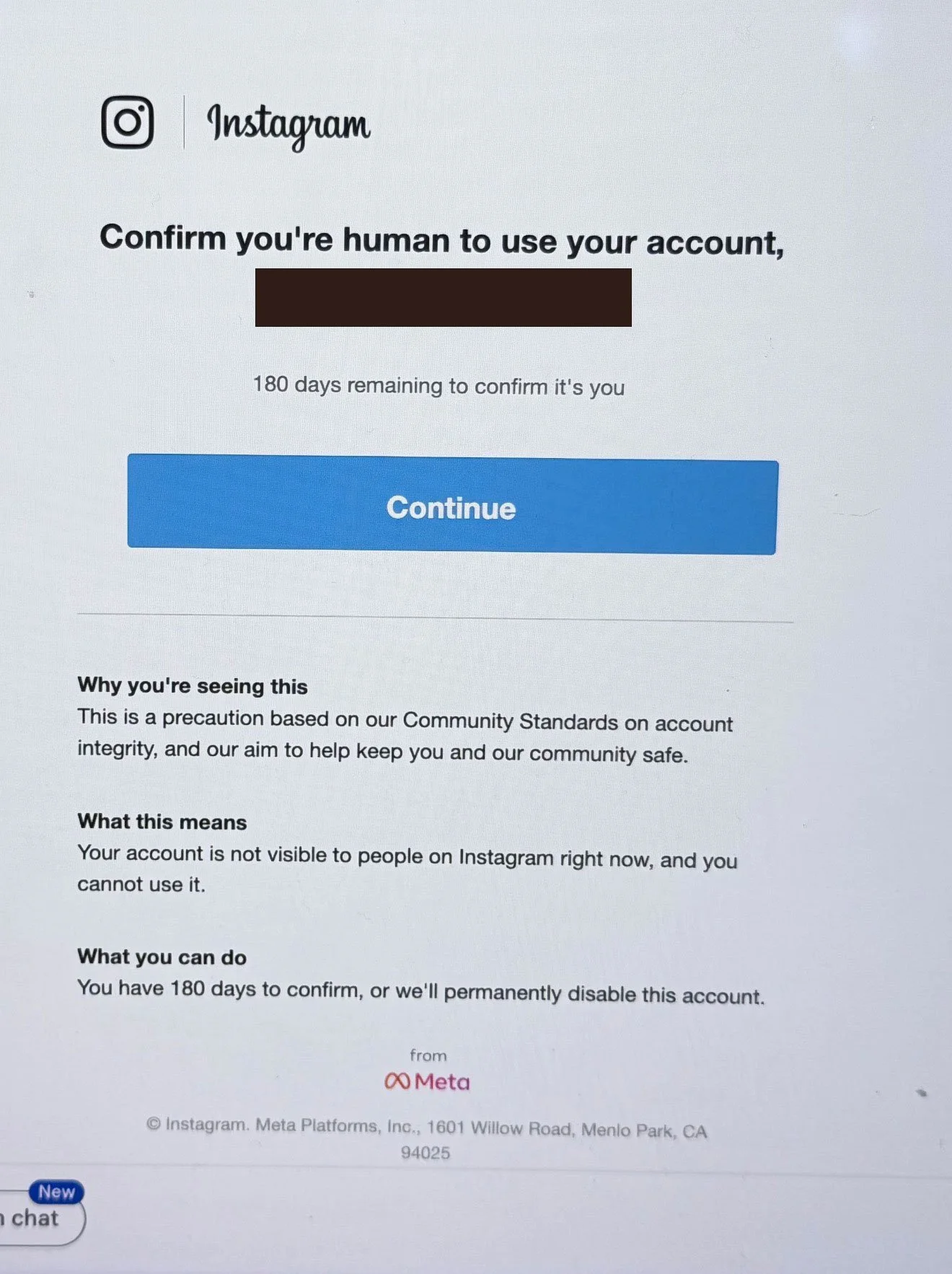
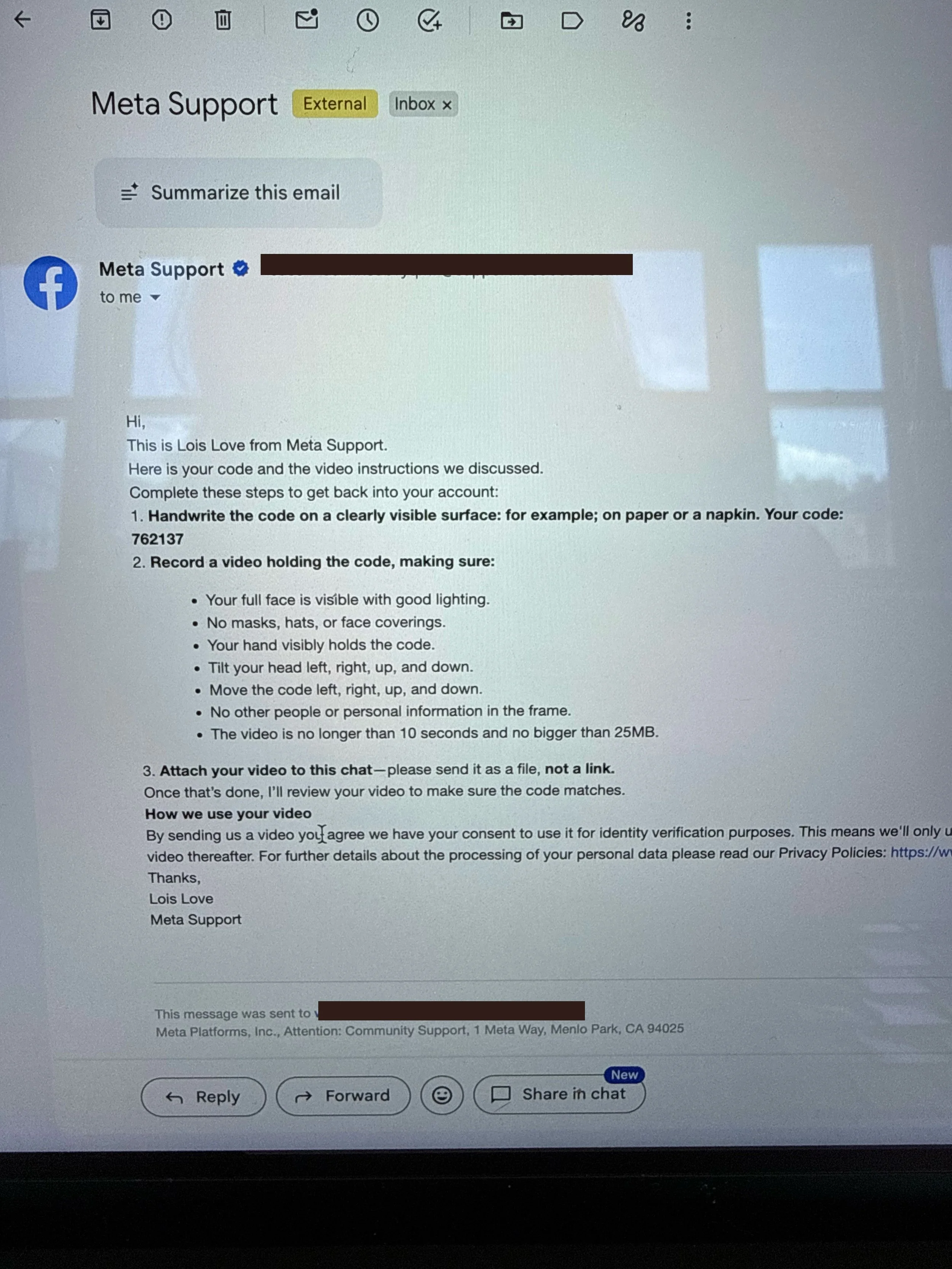
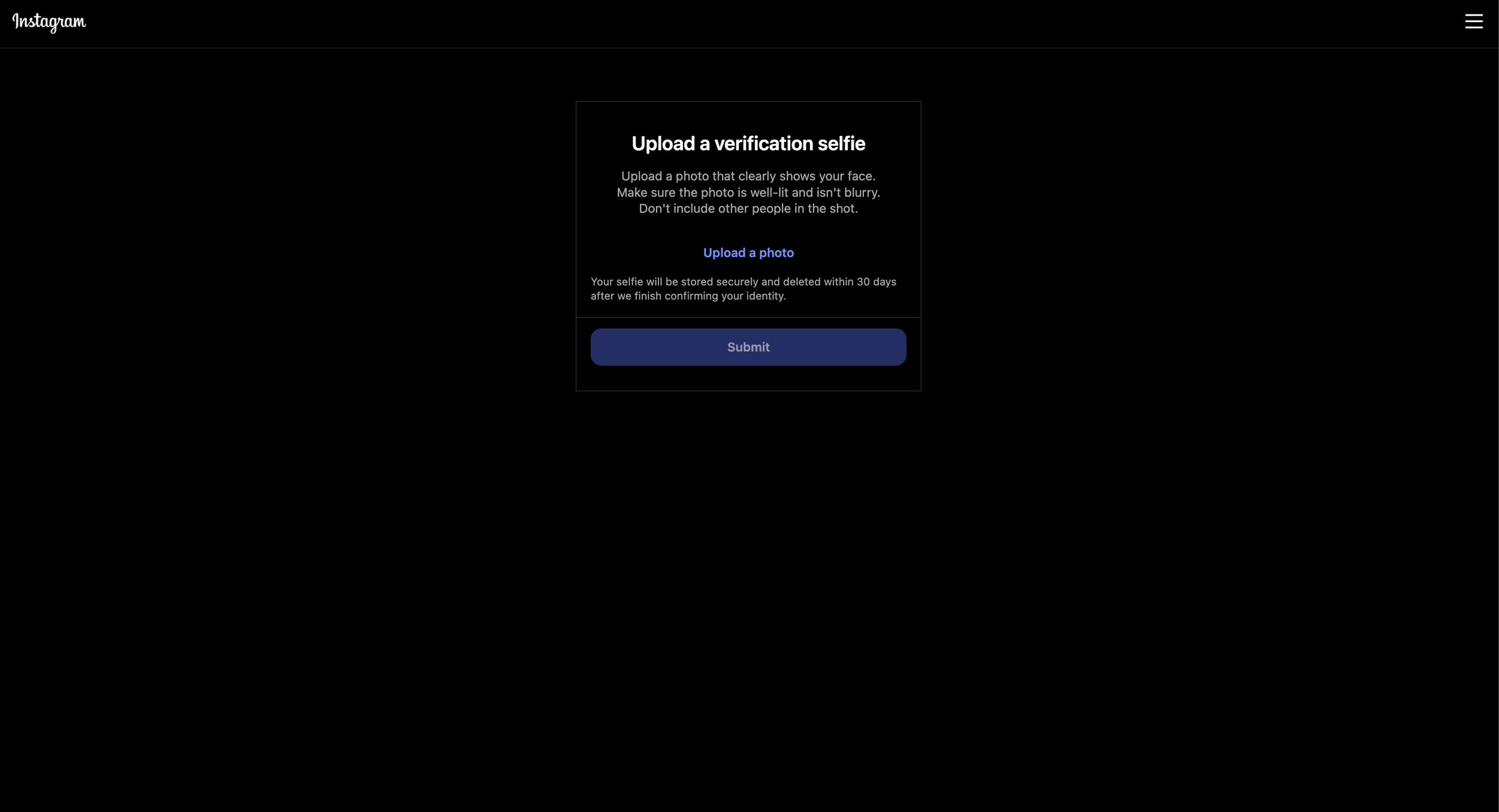
Send us a video in clear light, holding up a paper with the number 762137, tilt your head left, right, up, and down, your face should be fully visible. These were the instructions I was given by Meta in order to regain access to an instagram account I created for work.
I am very protective of my data and do not have a personal instagram account, so when I made the account I set a few rules for myself:
1. only use the desktop version of the site, never download the app
2. only access the account through my work computer
3. do not add a phone number
4. do not give it access to my camera
5. do not use any real names, DOB, or true information
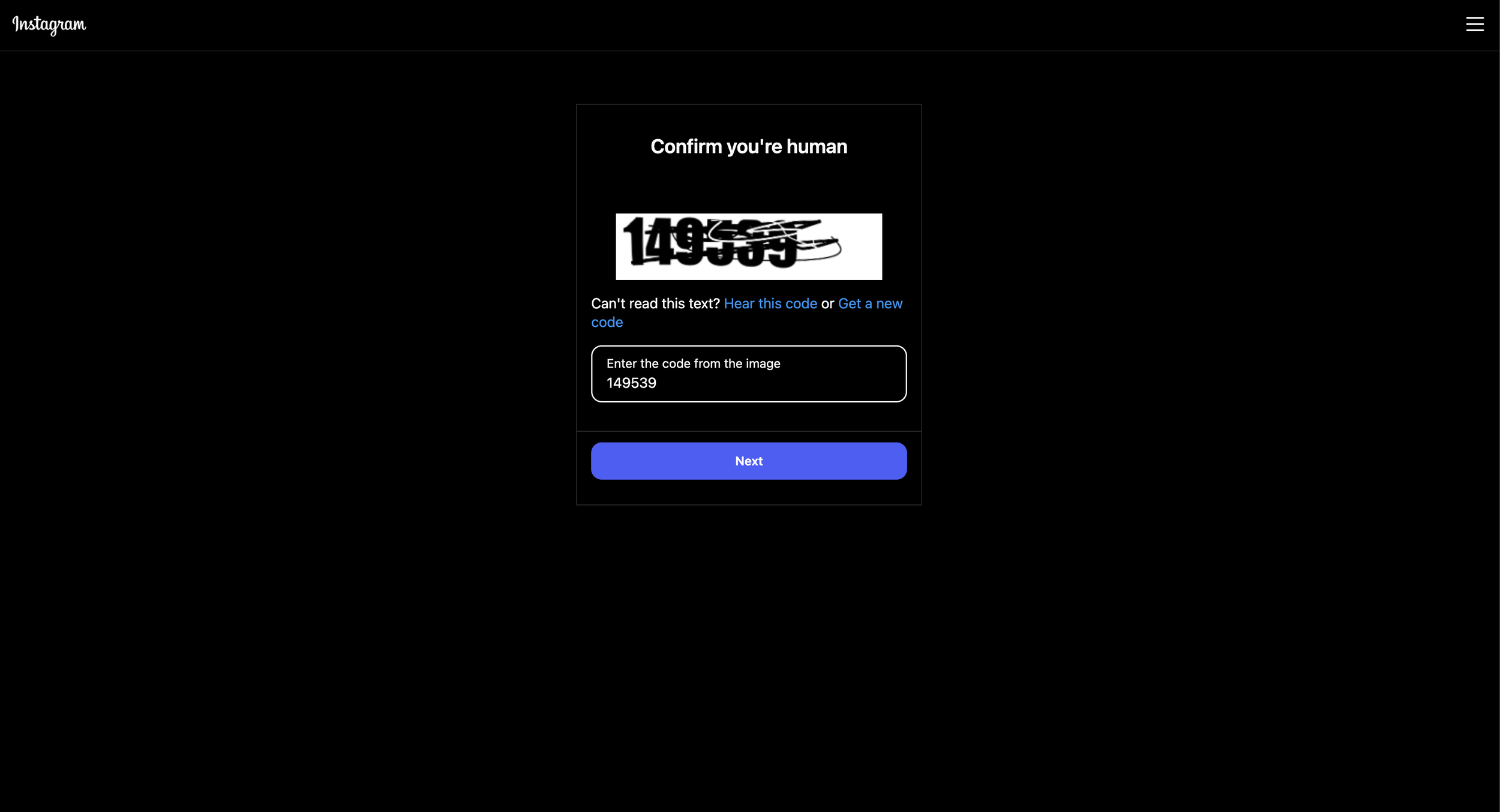
Then yesterday, after about 6 months of having this account, I was booted out under the premise of “please complete this test to verify you are human”. The first test was a simple capcha test. The second, instagram was requiring my phone number for confirmation. Phone numbers are usually optional on the platform and I have opted out of giving that information.
Phone numbers can be traced, the number connects to a real person with a real address and data about who they are in network with. Meta uses this to build a map of who’s connected to who, and paint a better picture of that user’s data profile.
So I started a chat on their platform with customer service, I was connected to someone under the alias “Lane Lewis” then “Lois Love” both immediately asked for my name in order to verify the account, I gave them my username handle. I was curious if there was a way for a user to bypass this request and let them know I didn’t have a phone number. So I was moved to the second solution: take a video for us. “ I do not have video and camera capabilities, is there another way to verify I am human”. According to Lane and Lois there was not, but they could send me an email to my account email address with instructions that I could later reply to when I did have access to a camera.
I won’t be completing this test and have regained access to instagram by setting up a new account, but it does bring up the question in my mind, why is Meta requiring this level of identification verification for their users and why is it reminiscent of the image documentation used when taking people into government custody?
I am also suspicious about what prompted my account to be flagged for verification and if it had anything to do with the lack of data the platform has been able to pull from my account.
Addendum
On a separate note I recently went to Spain and many things have changed since I last went in 2019. There is no hiding the surveillance and the lack of choice one has in the matter. Setting foot in the country, the requirement is to have your face and fingerprints scanned. There is an illusion of choice, a prompt on the screen asking for consent to this collection of data. But in reality the choice is you either grant consent or you can hop on the next flight out of the country because you can’t enter.
This is a recent EU program rolled out earlier this year. As we waited in line, the man behind us told us there are many people complaining about this system, which makes sense, no one wants to be tracked this way. I absolutely hate that this is the level of data collection we are being subject to, it has never made me feel “safer”, because the reality is these systems are not set up to do that, they are set up to control and track for the benefit and use of a few. As surveillance states increase we begin seeing more examples and opportunities where collection and mistorage or even ill-use of our personal data is and could be used in to build systems that are not in our best interest.
Adendum 2
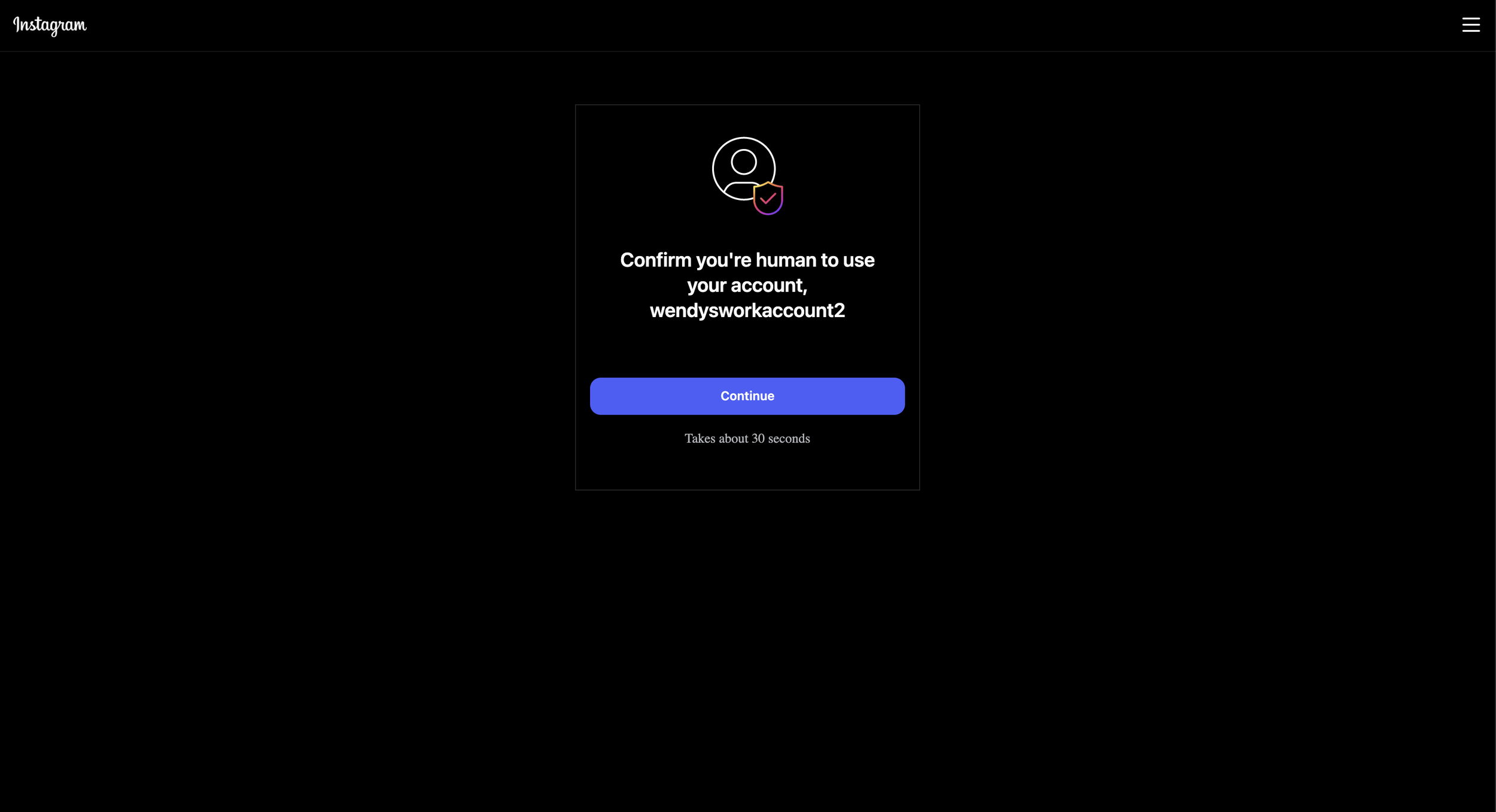
My secondary account has been placed on freeze as of October 5, 2026. less than 2 months from when it was set up. This time I was able to capture the screenshot of what Meta was requiring to regain access. This time Meta went straight to requiring a photo image of me rather than a phone number. I will be setting up a third account and documenting this process here.
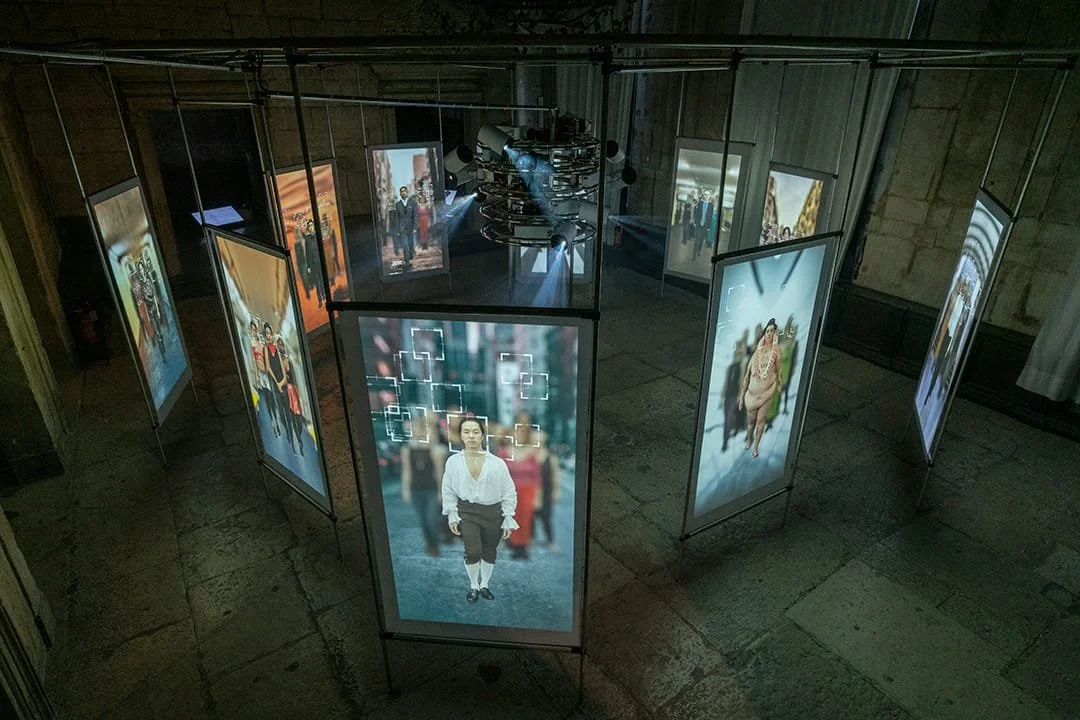
Shu Lea Cheang’s 3x3x6, presented at the 2019 Venice Biennale, examines the systems of surveillance and identification used to monitor people, particularly in prisons. The work references the dimensions of a standard prison cell and fills that space with cameras and facial recognition that continuously observe and classify its occupants. The visitors of the exhibition have their faces and movements captured and transformed into data and digital avatars on the display screens in real time.
It’s meant as a critique, but Cheang is also feeding into the system through the collection and processing of faces and data. I mean fuck it, as I’m writing and curating this blog, sharing details about my life, I too am feeding the system I am critiquing. I have little hope there is any real escaping if one wants to be an active member of society and the best we can do is attempt to limit, confuse, or benefit from the use of our own data.